A beginner’s guide to music theory: notes, scales, chords, rhythm and keys explained simply so you can understand and create music more easily.
Plain-English guides to money, tech, health, home and everyday life.

 Liafi Studio Editors
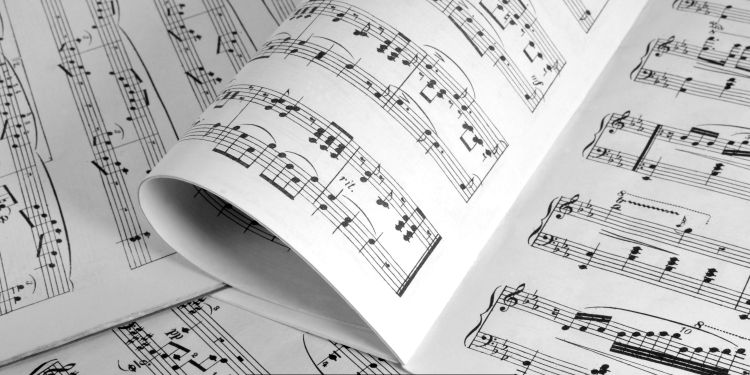
Music theory is the foundation of all music, providing a framework for understanding how melodies, harmonies, and rhythms work together. Whether you’re a beginner musician or just curious about how music is structured, learning the basics of music theory can help you appreciate and create music more effectively. In this guide, we will explore essential concepts of music theory, including notes, scales, chords, and rhythm.
Music is built on notes, which are the basic units of sound. There are 12 unique notes in Western music, including:
These notes repeat in higher and lower octaves, forming the foundation of melodies and harmonies.
A scale is a sequence of notes arranged in ascending or descending order. The most common scales are:
A key refers to the tonal center of a piece of music, based on a specific scale. For example, a song in the key of C major primarily uses notes from the C major scale.
Chords are combinations of three or more notes played together. The most common types of chords include:
Harmony is created when chords complement the melody, providing depth and richness to music.
Rhythm determines the timing of notes and beats in music. The time signature tells us how many beats are in each measure and what type of note gets one beat. Common time signatures include:
A well-structured melody often follows a pattern that is pleasing to the ear, using repetition and variation.
Music notation is the written language of music, consisting of:
Understanding music theory provides a roadmap for learning and creating music. By mastering notes, scales, chords, rhythm, and notation, you can improve your ability to play, compose, and appreciate music. Whether you’re a beginner or an aspiring musician, learning music theory will enhance your musical journey.
Are you ready to dive deeper into music? Start practicing with simple melodies and chords, and gradually build your skills. Happy playing!