Fertility supplements for women can often become a focal point for those looking to enhance their reproductive health.
Plain-English guides to money, tech, health, home and everyday life.

 Liafi Studio Editors
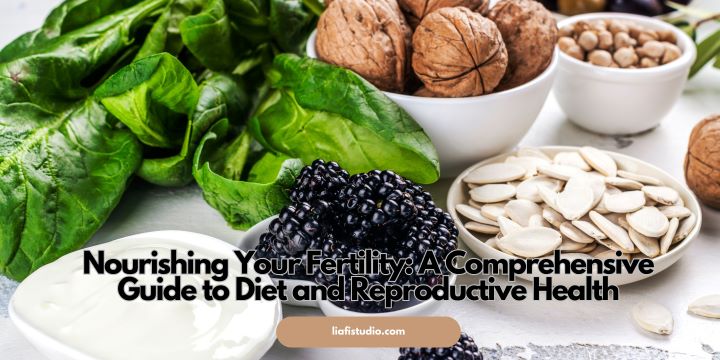
Focusing on a fertility-friendly diet means creating a harmonious blend of the three macronutrients: proteins, fats, and carbohydrates. Proteins provide amino acids essential for cell growth, healthy fats promote hormone production and cellular integrity, and complex carbohydrates offer sustained energy that helps regulate the menstrual cycle. By avoiding crash diets or restrictive eating behaviors, individuals support their bodies in maintaining a cycle conducive to conception and robust enough to support pregnancy. Fertility supplements for women can often become a focal point for those looking to enhance their reproductive health. Supplements are just one aspect of what should be a holistic approach that encompasses diet, lifestyle, and overall well-being. Diet, in particular, is integral, as the nutrients we ingest lay the groundwork for every body system—including our reproductive system.
In-depth discussions regarding fertility often spotlight methods like IVF or hormone treatments, yet underlying these methods is the foundation of diet and nutritional health. Essential nutrients, such as hormonal balance and egg health, serve fundamental bodily functions required for conception and pregnancy. Making informed dietary choices empowers individuals to align their nutrition with their parenthood aspirations, illustrated by research showing a link between nutrient intake and improved fertility outcomes.
As building blocks for health, specific vitamins and minerals earn top billing for their role in conception. B-vitamin folic acid is critical for preventing early pregnancy neural tube defects and facilitating vital reproductive processes. Iron boosts blood health and oxygen delivery, which aids the ovulatory cycle, while zinc is integral for cell division, a cornerstone of conception and early embryonic development. Opting for nutrient-rich foods like leafy greens, lean meats, and seeds ensures these essential vitamins and minerals are present in your fertility diet.
‘Superfoods’ have become a buzzword for health enthusiasts, and they can offer significant benefits for fertility. Dark chocolate, berries, and walnuts are foods high in antioxidants that combat oxidative stress, a factor in infertility in both men and women. Including superfoods in a balanced diet can foster reproductive health and other wellness benefits.
Maintaining a healthy body weight for your unique frame benefits hormonal balance and reproductive health. Being significantly overweight or underweight can interrupt natural ovulation by altering hormone levels, thus affecting fertility. Those striving for conception are encouraged to approach weight management not as pursuing an ideal number on the scale but as part of a broader commitment to well-being, encompassing an active lifestyle and balanced nutrition.
Adequate hydration goes beyond quenching thirst—supporting the foundation of fertility. Proper hydration influences the consistency and quantity of cervical fluid, an essential element in helping sperm reach the egg. Moreover, water acts as a vehicle for hormones and nutrients within the bloodstream, playing a role in regulating the menstrual cycle and supporting overall body function. This aspect is often overlooked but is as critical as any nutrient within a fertility-enhancing regimen.
Herbs and supplements often claim fame for their natural benefits and fertility-supporting qualities. For instance, supplements like coenzyme Q10 and DHEA have been examined for their potential to improve egg quality in women. Yet caution and thorough research are essential when integrating these aids into your regimen, and nothing replaces the personalized advice of a healthcare professional. They can help gauge the appropriateness of herbs and supplements, ensuring they complement, rather than complicate, fertility efforts.
Our everyday environment harbors toxins that could deter the journey towards conception. Compounds found in certain plastics, pesticides, and personal care products have been shown to have estrogen-like effects, which may disturb hormonal balance. Advocates of fertility health suggest opting for organic produce when possible, minimizing processed food intake, and generally proceeding with a heightened awareness of environmental and dietary toxins as pragmatic steps toward reproductive wellness.
Fertility nutrition is not one-size-fits-all. Factors like age, medical history, and specific health conditions demand personalized nutrition plans. For some, this might mean an increased focus on anti-inflammatory foods, while others might need to increase their healthy fat intake to support hormone function. Consulting a dietitian specializing in fertility can provide invaluable guidance in constructing a diet plan that supports your reproductive goals, honing in on the unique nutritional needs necessary for your body.
The emotional burden of fertility challenges can have tangible effects on dietary habits and stress levels. When stress takes hold, it can alter eating patterns and lead to poor nutritional choices, which, in turn, may negatively impact fertility. Embracing practices like mindful eating, stress-reduction techniques, and seeking psychological support can play an invaluable role in nurturing fertility and overall emotional health. Fertility is influenced by a constellation of factors wherein nutrition holds significant sway. Fertility is supported when we give our bodies the building blocks for health through a nutrient-rich diet, optimal hydration, and thoughtful supplement selection. Those embarking on the path to parenthood are encouraged to grasp the nuances of this connection and embrace a lifestyle that brings them closer to their dream of starting a family. For more nuanced insights into how lifestyle factors influence fertility, readers can explore informative material provided by the CDC. It can build upon an understanding of fertility health and support those searching for comprehensive knowledge and guidance in their fertility journey.